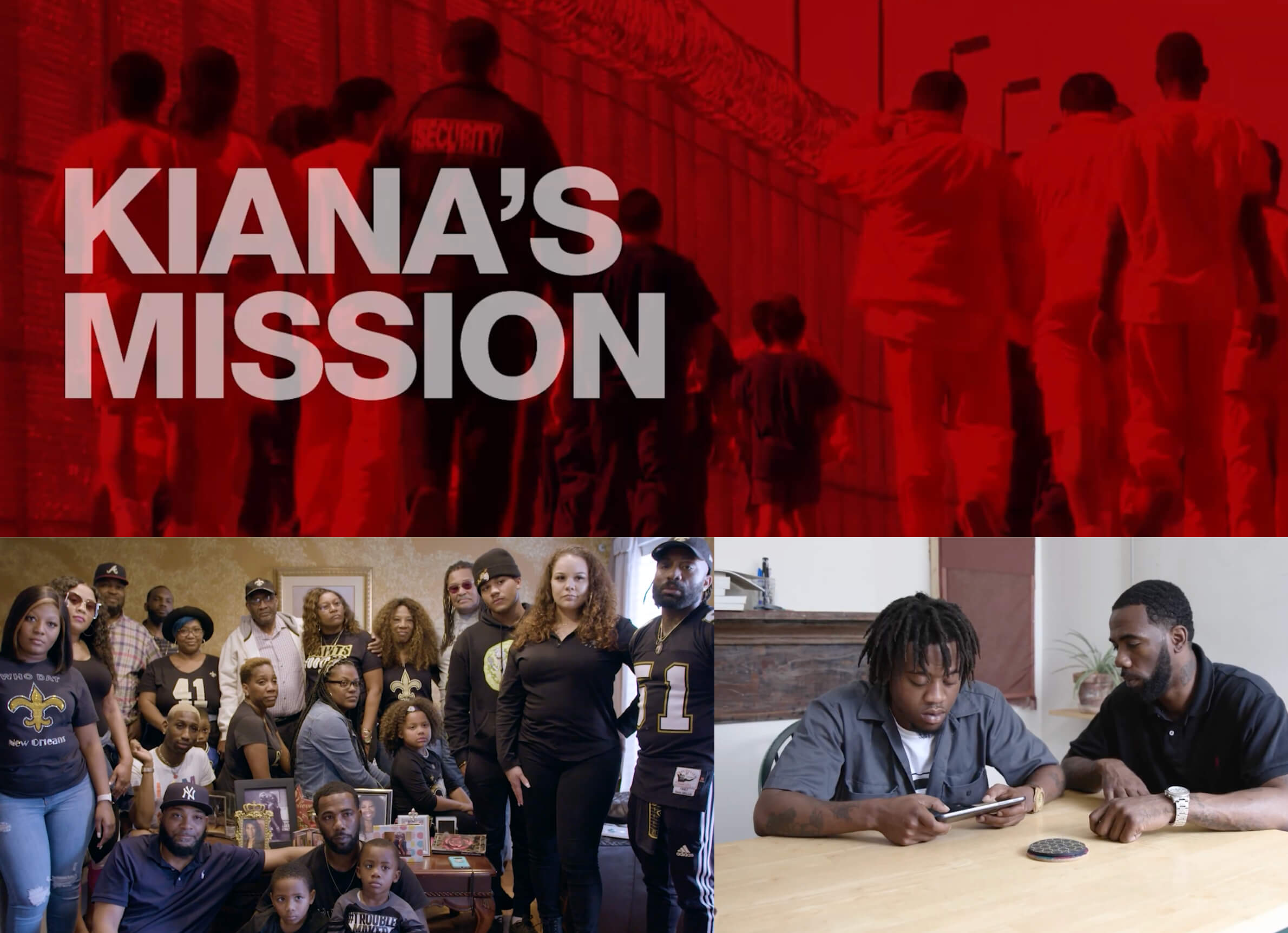
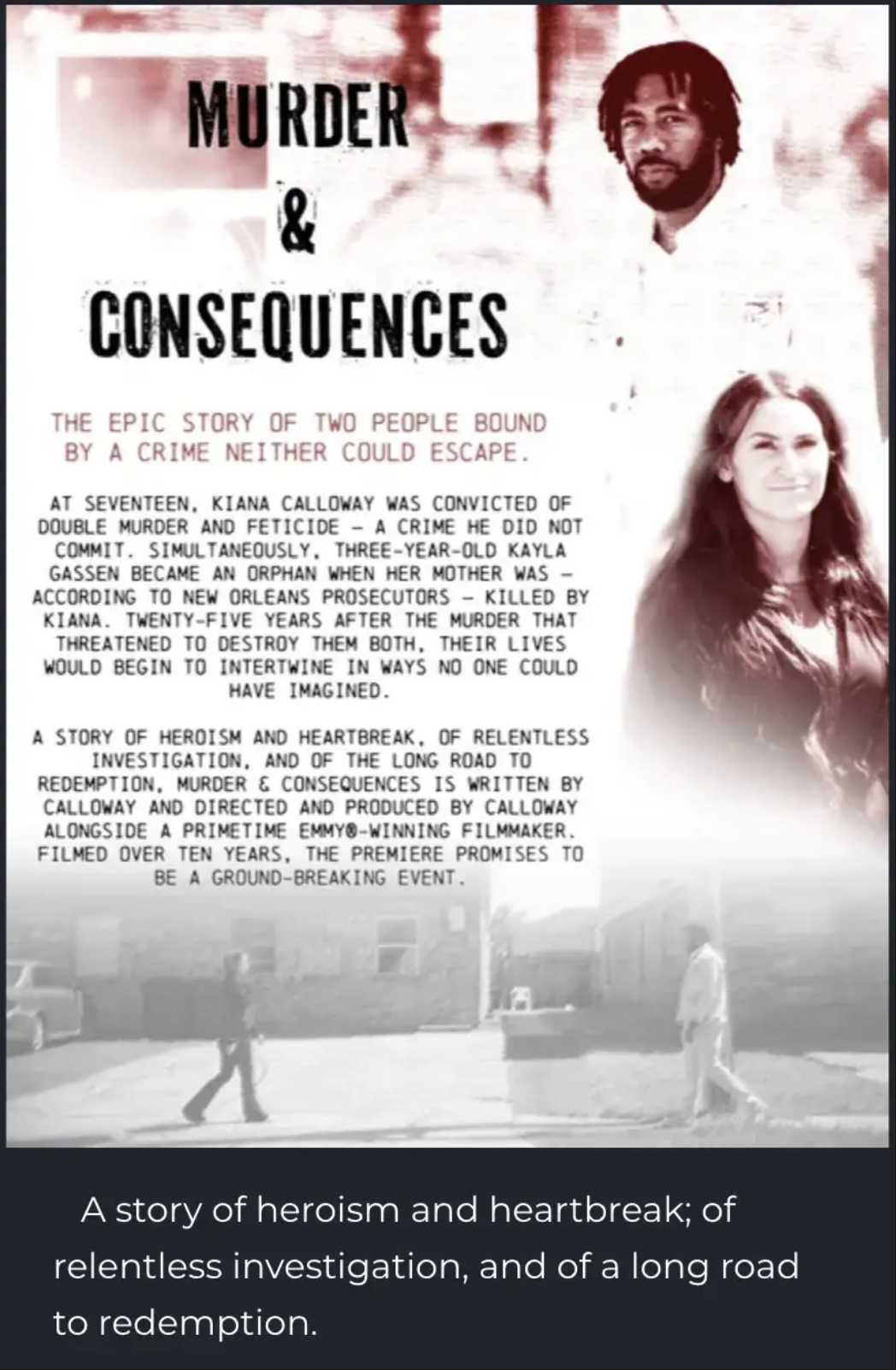
Kiana’s Mission is more than a story, it is a window into a global movement redefining how poverty is understood and eliminated.
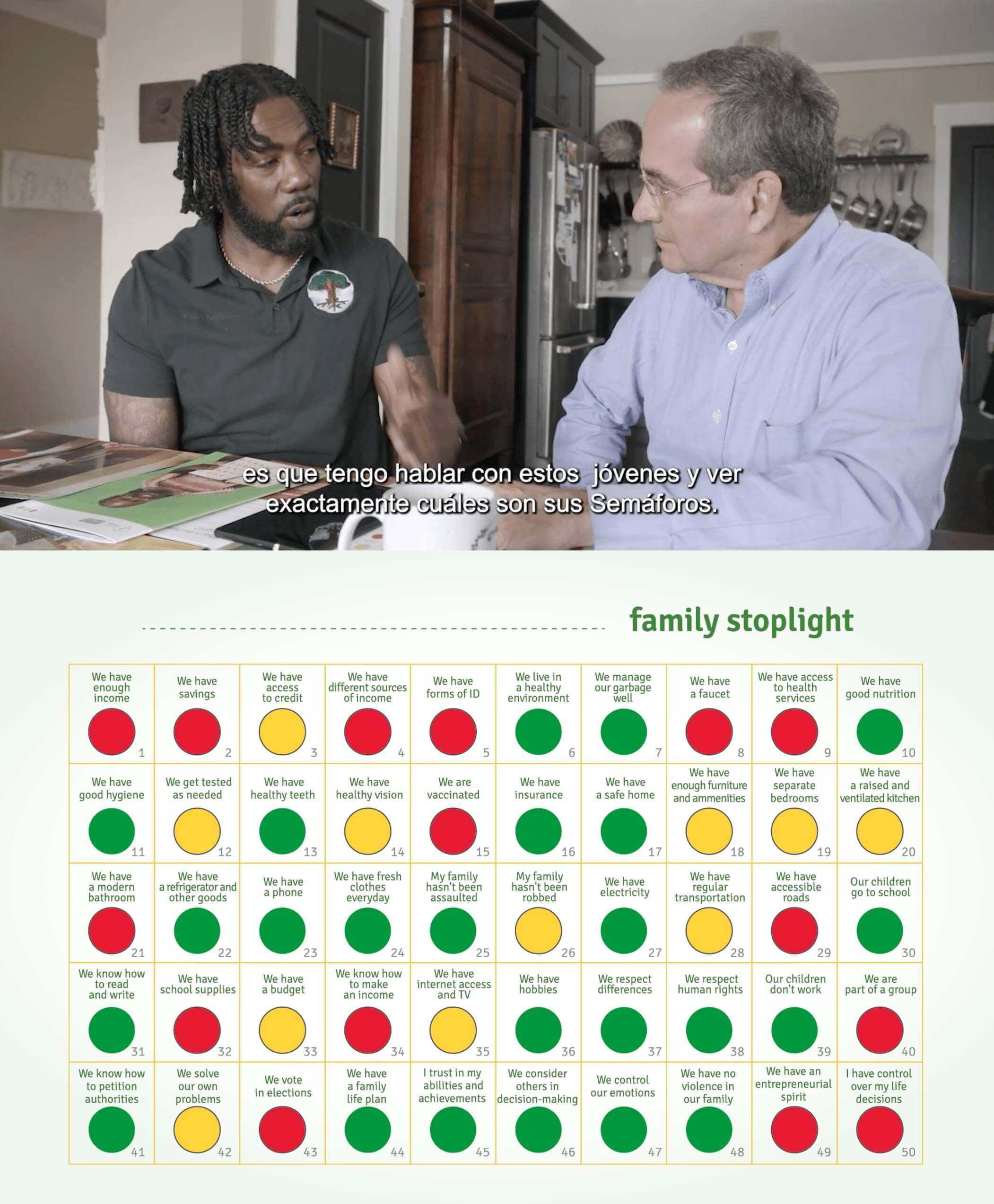
At the center of this movement is the Poverty Stoplight, an innovative methodology now used in more than 60 countries to help individuals and families design their own path out of poverty. Rather than treating poverty as a single condition, the Stoplight breaks it down into the real, everyday challenges people face, from income and housing to health, education, and community connection. Through a simple, visual self-assessment, participants identify where they are thriving (green), struggling (yellow), or in crisis (red), turning an overwhelming problem into clear, actionable steps.
What makes the Stoplight transformative is its shift in power: families are not passive recipients of aid, they become agents of their own change. With personalized “Life Maps,” participants prioritize their goals, connect to resources, and track progress over time, while organizations and governments use real-time data to target solutions where they are needed most.
This global model is now taking root across the United States through Thrive Lights, the U.S. leader of the Stoplight movement. Working with a network of community organizations, nonprofits, and social enterprises, Thrive Lights adapts the methodology to local contexts, supporting individuals and families as they move from crisis to stability, and ultimately, to long-term thriving.
In cities like New Orleans, Dallas, and beyond, partners—including Roots of Renewal, where Kiana Calloway leads—are using the tool to support reentry populations, at-risk youth, and underserved communities. By aligning services directly with the self-identified needs and aspirations of participants, these programs are creating more effective, human-centered pathways out of poverty.
Kiana’s Mission brings this work to life, showing how one person’s journey intersects with a global solution. As Kiana uses the Stoplight to rebuild his own life and empower others, the film reveals a powerful truth: ending poverty is not about imposing answers, but about unlocking the potential that already exists within people and communities.